3 LED Lights That Actually Fade Dark Spots (and 1 That Makes Them Worse)
Dark spots are the #1 skin complaint among Hispanic and Latina women — 47% list uneven skin tone as their top concern. Between sun exposure, hormonal changes, pregnancy, and post-acne marks, hyperpigmentation is incredibly common in olive and medium skin tones.
LED light therapy can help. But here's what most reviews won't tell you: not all LED wavelengths are safe for hyperpigmentation-prone skin. One of them can actually make your dark spots worse.
- Red light (630-660nm): YES — stimulates collagen, accelerates healing
- Near-infrared (830nm): YES — deep cellular repair
- Amber/yellow (590nm): YES — reduces melanin production
- Blue light (415nm): CAUTION — can worsen melasma in olive/darker skin
Why dark spots happen
Dark spots (hyperpigmentation) are clusters of excess melanin — the pigment that gives skin its color. When something irritates or inflames your skin, it produces more melanin as a defense mechanism. That extra melanin stays behind as a dark patch.
The most common causes:
- Sun exposure — UV triggers melanin overproduction, especially in skin with more active melanocytes
- Post-inflammatory hyperpigmentation (PIH) — every pimple, scratch, or irritation can leave a dark mark
- Pregnancy — 50-80% of pregnant women develop melasma. In 1 out of 3, the spots are permanent
- Hormonal changes — birth control, menopause, hormone fluctuations
The 3 LED wavelengths that work
1. Red light (630-660nm) — The healer
Red light is the gold standard for treating dark spots with LED. It penetrates skin at the cellular level and:
- Stimulates collagen production — your skin regenerates faster, replacing damaged cells
- Reduces inflammation — less inflammation means less melanin production
Results: With consistent use (10-15 minutes, 3-5 times per week), most people see improvement in 6-8 weeks.
2. Near-infrared (830nm) — The deep repairer
You can't see this wavelength — it's invisible to the human eye. But it penetrates deeper than red light, reaching the layers where hyperpigmentation originates.
- Accelerates deep cellular repair where melanin overproduction begins
- Reduces chronic inflammation that keeps melanocytes hyperactive
- Improves circulation — better blood flow means faster recovery
The combination of red + near-infrared is the most effective LED treatment for dark spots.
3. Amber/yellow light (590nm) — The melanin regulator
This one is lesser known but particularly important for hyperpigmentation. Amber light acts directly on melanocytes and signals them to slow down melanin production.
The light that can make dark spots WORSE
Blue light is excellent at killing acne-causing bacteria. But in skin prone to melasma — especially olive, medium, and darker tones — blue light can activate melanocytes and trigger MORE pigmentation.
What to do:
- If you have melasma or hyperpigmentation: avoid blue light
- If your device has both blue and red modes: use ONLY the red mode
- Look for devices that offer red + near-infrared WITHOUT blue
Recommended devices
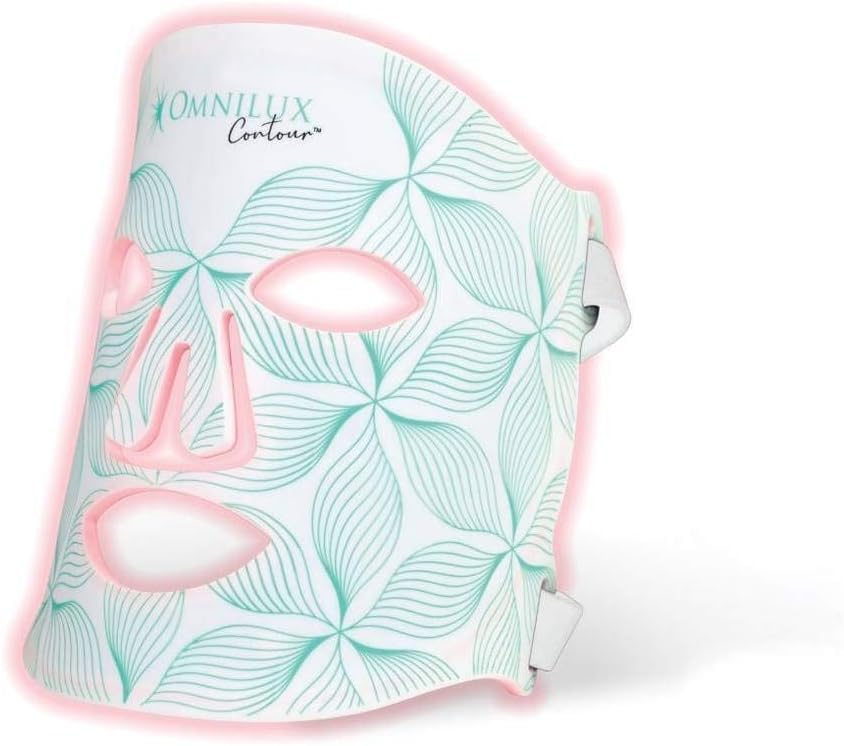
Omnilux Contour LED Mask
No blue light — safe for melasma
FDA cleared
Price tier: Premium (~$350-$450)
My top pick because it has exactly the two wavelengths you need and nothing that could cause harm. 10 minutes, put it on, done.
Check Price on Amazon →Red Light Therapy LED Face Mask with Near-Infrared (850nm)
Modes: 5 treatment modes
Price tier: Budget (~$100-$150)
In the budget tier (~$100-$150), this offers red + infrared at a fraction of the Omnilux price. Use the red/infrared modes only if you have dark spots.
Check Price on Amazon →The bottom line
If you have dark spots and olive or medium skin:
- Sunscreen every single day — non-negotiable
- Choose a device with red + near-infrared
- Avoid blue light if you have melasma
- Be consistent — minimum 6-8 weeks to see results
- Be patient — your spots took months or years to appear. They won't vanish in a week.
Your dark spots don't define you. But if you want to treat them, you deserve real information — not advertising disguised as advice.