Melasma After Pregnancy: Which Devices Actually Work (and Which to Avoid)
You looked in the mirror after your baby arrived and saw dark patches that weren't there before. On your forehead. Your cheekbones. Above your lip. Your mom told you it's "the mask of pregnancy" and it'll go away on its own.
But months passed. Maybe years. And the spots are still there.
If this sounds familiar, you're not alone. And wanting to treat them isn't vanity — it's about feeling like yourself again when you look in the mirror.
- Melasma affects 50-80% of pregnant women. In 1 out of 3, the spots are permanent.
- What works: Red LED light (630-660nm) and near-infrared (830nm)
- What to avoid: Blue LED light — can worsen melasma in olive/darker skin
- Best device: Omnilux Contour (premium tier, ~$350-$450) — red + infrared, no blue
- Timeline: 6-12 weeks of consistent use for visible results
What is melasma?
Melasma — also called chloasma or "the mask of pregnancy" — shows up as irregular dark patches on the face, usually on the forehead, cheeks, upper lip, chin, and bridge of the nose. It happens in the deeper layers of your skin, where melanocytes go into overdrive and produce excess melanin.
Why pregnancy triggers it
During pregnancy, your estrogen and progesterone levels spike dramatically. These hormones directly stimulate melanocytes — they essentially tell them to produce more melanin.
- 50-80% of pregnant women develop some degree of melasma
- In 1 out of 3 cases, the spots DON'T disappear after delivery
- Women with olive and darker skin tones are at higher risk
- Hormonal birth control can reactivate it even years later
"It'll go away on its own" — and other myths
Myth: "It goes away after the baby."
Reality: Sometimes yes, sometimes no. In 1 out of 3 women, it's permanent without treatment.
Myth: "It's just cosmetic, it doesn't matter."
Reality: Studies show melasma significantly affects self-esteem and quality of life.
Myth: "A chemical peel will fix it."
Reality: Aggressive peels can worsen melasma in darker skin by causing more inflammation.
Myth: "Any LED mask will work."
Reality: Blue light can worsen melasma. Not all masks are created equal.
What devices actually work
Red light (630-660nm) — Your best ally
Red light reduces the inflammation that keeps melasma active and stimulates cell regeneration. It's gentle, non-irritating, and safe during breastfeeding.
Near-infrared (830nm) — Deep repair
Melasma lives in the deeper layers of your skin. Near-infrared penetrates further and works exactly where the problem is.
The winning combination: red + near-infrared
Red works on the surface, infrared works at depth. It's like attacking the problem from two fronts simultaneously.
What to avoid
The 3 devices I recommend
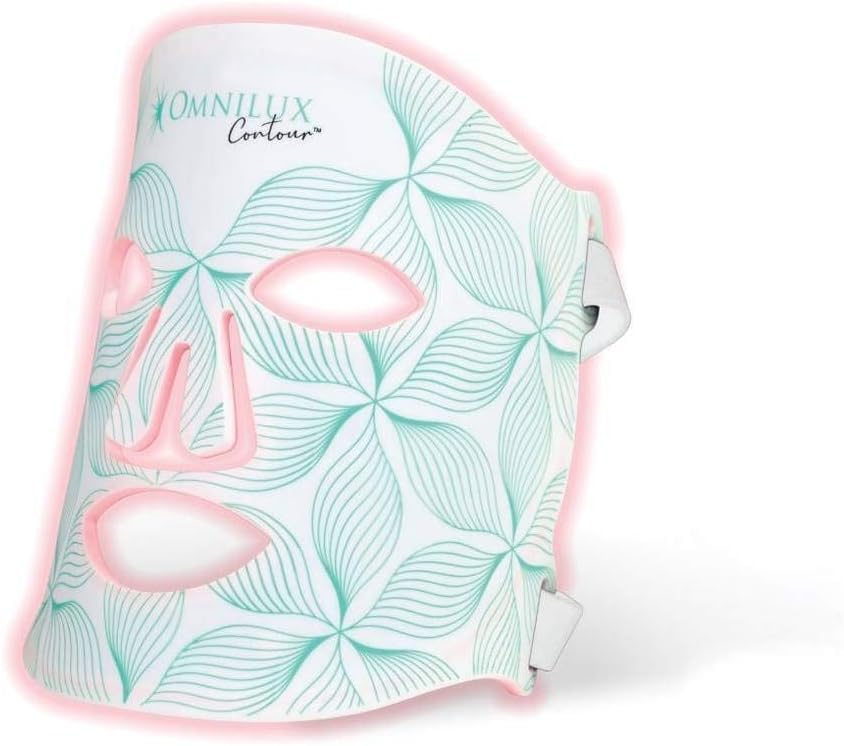
#1 Omnilux Contour LED Mask
No blue light
FDA cleared
Price tier: Premium (~$350-$450)
Has exactly what you need and nothing that could make it worse. 10 minutes a day, 3-5 times per week.
Check Price on Amazon →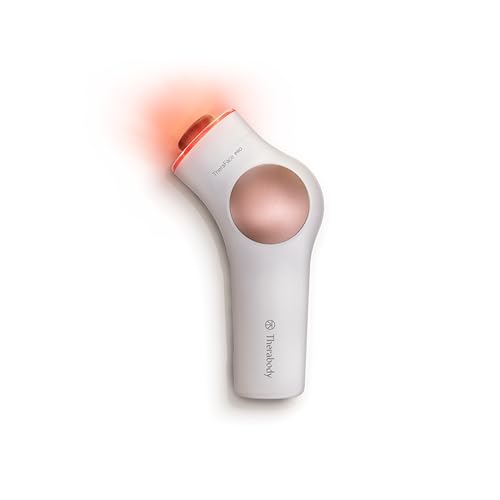
#2 Therabody TheraFace Pro
Price tier: Premium (~$300-$400)
Microcurrent improves circulation and overall skin tone. Not just LED — a more complete treatment.
Check Price on Amazon →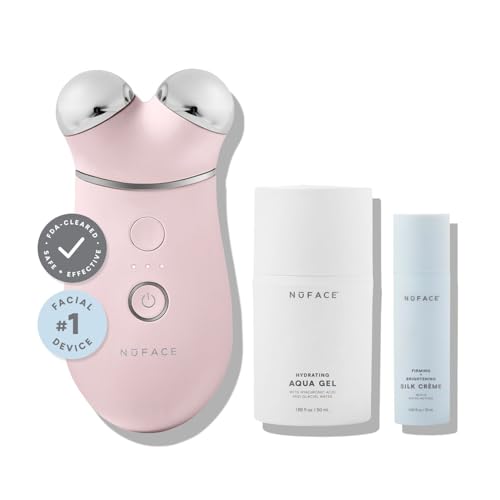
#3 NuFACE Trinity+
Price tier: Premium (~$300-$650)
Not LED, but microcurrent improves circulation and helps skin regenerate. Pairs perfectly with an LED treatment.
Check Price on Amazon →Realistic timeline
- Weeks 1-3: Skin feels smoother and more hydrated
- Weeks 4-6: Spots look slightly lighter. Inflammation decreases.
- Weeks 6-12: The most visible improvement
- Ongoing: Melasma can return with sun, hormones, or stress. LED is maintenance, not a one-time cure.
Your 3-step anti-melasma routine
- Cleanse — gentle cleanser, no harsh fragrances
- 10 minutes of LED — red + near-infrared
- SPF 50 sunscreen — EVERY day, even indoors
It's not vanity — it's your confidence
Wanting to treat your melasma doesn't make you superficial. It makes you human. Everyone deserves to look in the mirror and feel good about what they see.